

 18 May 2026
 By -
Admin
By -
Admin 0 comments
 0 views
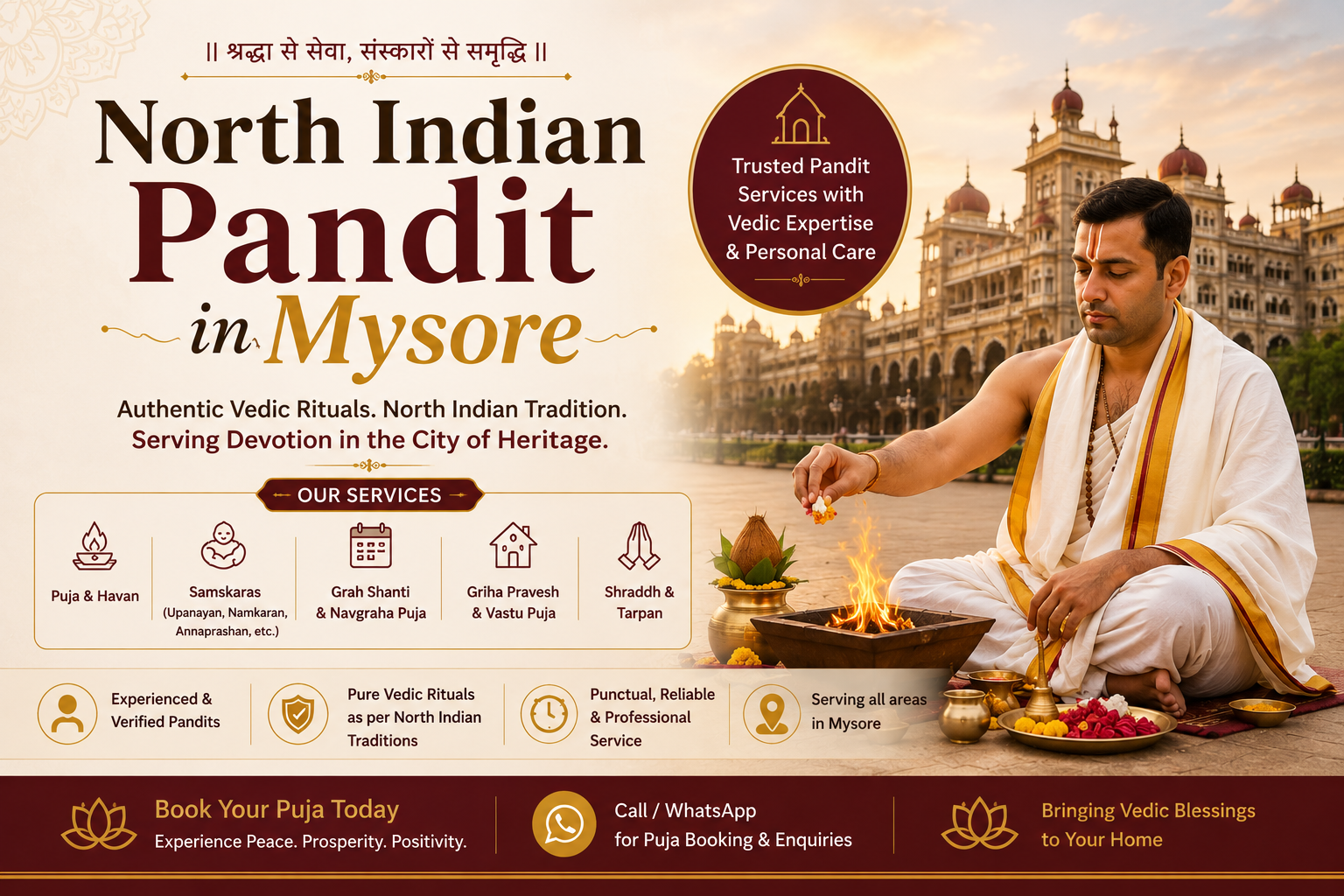
North Indian Pandit in Mysore
Introduction
The Journey of North Indian Pandits to Mysore
Mysore, a city known for its heritage and culture, has become home to many communities. Among them, North Indian Pandits have carved a unique space. Their arrival in Mysore is rooted in migration for better opportunities and spiritual pursuits.
Many North Indian Pandits settled in Mysore seeking work as priests, teachers, and scholars. They brought with them traditions, rituals, and knowledge from their native regions. The city's welcoming environment allowed them to integrate smoothly.
The blend of local customs with North Indian practices enriched Mysore’s cultural landscape. Over time, these Pandits became an integral part of religious ceremonies and temple life. Their presence is now woven into the fabric of Mysore’s spiritual scene.
Cultural Practices and Community Life
North Indian Pandits in Mysore retain their distinct cultural identity. They celebrate traditional festivals like Holi, Diwali, and Raksha Bandhan with enthusiasm. Their homes often feature North Indian décor and practices, reflecting deep roots in their heritage.
The community also plays a vital role in performing pujas, yajnas, and samskaras for North Indian families living in the city. This helps preserve their customs while fostering a sense of unity. Social gatherings and community events center around religious and family milestones.
Despite adapting to Mysore’s culture, many Pandit families ensure their children learn Hindi, Sanskrit, and their regional dialects. Cultural and language classes are common in their community halls. These efforts help pass traditions from one generation to the next.
Integration and Contribution in Mysore
North Indian Pandits have contributed to Mysore’s educational and spiritual life. Many serve as Sanskrit teachers in local schools and colleges. Their expertise in scriptures and rituals is valued at temples and spiritual centers.
They also participate in city-wide religious events and festivals. Their knowledge of astrology, Karmakanda, and Vedic rituals is sought after by people from diverse backgrounds. This exchange benefits both the local and North Indian communities.
Over the years, the North Indian Pandit community has grown stronger. Their harmonious relationship with the people of Mysore stands as an example of cultural integration in India.
Cultural Influence of North Indian Pandits in Mysore
Introduction of North Indian Traditions
North Indian pandits have brought diverse cultural traditions to Mysore. Their arrival introduced new customs and rituals. Many households adopted these practices, especially in religious and academic circles. Festivals from North India, such as Chhath Puja and Holi, are now celebrated in Mysore too. This has added variety to the city's cultural calendar. The blend of North and South Indian traditions is visible in Mysore's temples and community halls. This mix enriches the local atmosphere and increases cultural understanding.
The pandits also brought classical music styles, such as Hindustani music, to the city. Local music schools offer training in ragas and instruments native to North India. Community events often feature both Carnatic and Hindustani performances. These changes have allowed Mysore to become a meeting ground for different musical heritages.
Impact on Language and Literature
North Indian pandits in Mysore have influenced the way language is used. Many have contributed to the teaching and study of Hindi and Sanskrit. Schools and cultural groups now offer classes in these languages. Hindi poetry readings are held during festivals and literary events. This has created a platform for writers and scholars from both regions to interact.
Sanskrit has benefited from their expertise as well. Pandits organize workshops and lectures on ancient texts and scripts. These sessions attract students and academics from Mysore and other cities. Their work has helped preserve and promote Sanskrit literature. It has also fostered the growth of new literary projects.
Social and Educational Contributions
North Indian pandits have played a key role in Mysore’s education sector. They have helped establish schools and libraries with a focus on Vedic and classical studies. Some serve as teachers and mentors in colleges and community centers. Their presence encourages students to explore North Indian philosophies and traditions.
These pandits also organize cultural festivals and seminars. Such events create opportunities for local residents to learn about North Indian heritage. Through their efforts, the cultural map of Mysore has become more diverse and inclusive. They continue to act as bridges between different communities, building connections through culture and knowledge.
| Area of Influence | Examples |
|---|---|
| Music | Hindustani music classes, concerts |
| Language | Hindi and Sanskrit education |
| Festivals | Chhath Puja, Holi |
| Education | Vedic schools, workshops |
Services Offered by North Indian Pandits
Traditional Puja Rituals
North Indian Pandits in Mysore offer a range of traditional puja services. They perform Satyanarayan Katha, Griha Pravesh, and Navagraha Shanti. These rituals help families invite peace and positivity in their homes. Many people approach these pandits for personal ceremonies like Mundan or Annaprashan. The detailed recitation of Vedic mantras by North Indian Pandits adds authenticity. Their command over Sanskrit enhances the spiritual atmosphere. Families can rely on North Indian Pandits to follow exact traditions from their regions. This is important for those seeking rituals that match family customs.
Wedding and Life Event Services
North Indian Pandits are often requested for weddings in Mysore. They conduct the complete Hindu wedding ceremony, including Kanyadaan and Saptapadi. Their knowledge ensures each step is performed according to North Indian customs. Engagement ceremonies and thread ceremonies (Upanayanam) are also key services. North Indian Pandits guide families through pre-wedding and post-wedding rituals. They explain the meaning behind each step, making the event memorable. For many families in Mysore, having a North Indian Pandit bridges cultural gaps. This brings comfort and connection to their roots.
Specialized Religious Functions
Special festivals and religious functions are another area where North Indian Pandits excel. They organize Satyanarayan Vrat, Chhath Puja, and Durga Puja for North Indian communities. Their services extend to Shradh ceremonies and Tarpan rituals for ancestors. Many families rely on these pandits for monthly and yearly observances. They provide clear lists of required samagri, and help with arrangements. North Indian Pandits also offer horoscope readings and Muhurat calculation. Their guidance is valued for planning auspicious events. They adapt to the needs of families living far from their native regions.
| Service | Description |
|---|---|
| Satyanarayan Katha | Ritual for prosperity and harmony |
| Griha Pravesh | Housewarming ceremony |
| Wedding Ceremony | Complete North Indian-style rituals |
| Shradh and Tarpan | Ancestor remembrance ceremonies |
| Navagraha Shanti | Ritual for planetary peace |
Challenges Faced by North Indian Pandits in Mysore
Adapting to a New Cultural Environment
North Indian Pandits in Mysore encounter cultural differences in daily life. Local customs and traditions differ from what they know. This leads to confusion in social interactions and public events. They may feel left out during festivals or family gatherings. Food habits also present a challenge since local cuisine uses different spices and ingredients. Adjusting to these tastes can be difficult. Dress codes and forms of greeting can add to the sense of unfamiliarity.
Traditional practices, such as temple rituals, sometimes follow distinct patterns in Mysore compared to North India. This can make participation in community religious events challenging. The language used in rituals may be Kannada or a local dialect. As a result, North Indian Pandits may struggle to connect fully with the community. They may find it difficult to explain their customs to locals who are unfamiliar with them.
Language and Communication Barriers
Language remains a major hurdle for North Indian Pandits in Mysore. Most locals speak Kannada, while Pandits may primarily use Hindi or Sanskrit. Everyday tasks, such as shopping or seeking services, can become complicated. Misunderstandings are common when attempting to navigate public transportation or government offices. Children in these families may face challenges in school because classes are often conducted in Kannada or English.
Communication issues can also affect professional opportunities. North Indian Pandits who provide priestly or educational services may lose clients who prefer ceremonies in the local language. They must learn basic Kannada phrases to bridge this gap. This requires time and patience. The need to translate religious texts or rituals for the audience can be both tiring and stressful.
| Challenge | Impact |
|---|---|
| Language barrier | Difficulty in daily tasks and social life |
| Different traditions | Trouble fitting into local events |
| Dietary differences | Discomfort with unfamiliar cuisine |
| Professional hurdles | Limited work due to language preferences |
Social Integration and Community Building
Integration into local society can be slow. North Indian Pandits may find it hard to build strong social networks. Their cultural practices and language set them apart from the established Mysore communities. They might not receive invitations to key festivals or local gatherings. Children can feel isolated in schools if they do not speak Kannada fluently. This affects emotional well-being and confidence.
Finding support systems is another challenge. There are few North Indian community groups in Mysore. Pandits may feel alone when they need help or guidance. Forming friendships with locals takes effort and time. It is necessary to participate in community events and learn about local customs. Overcoming these challenges is crucial for a fulfilling life in Mysore.
Conclusion
Cultural Harmony in Mysore
North Indian Pandits in Mysore represent a unique blend of tradition and adaptation. Their presence adds diversity to the city’s social landscape. Families maintain their distinct cultural rituals while embracing local customs. Festivals, pujas, and weddings often showcase both North Indian and Mysorean influences. This intermingling has created vibrant communities where both cultures thrive.
Language and food are strong examples of this harmony. Many Pandit families have learned Kannada while preserving their native Hindi. They enjoy North Indian cuisine but also appreciate Mysore’s traditional specialties. These lifestyle choices foster understanding between different communities in Mysore.
Social and Religious Contributions
North Indian Pandits serve the needs of local and migrant devotees. They perform rituals, pujas, and ceremonies at temples and homes throughout Mysore. Their spiritual guidance is valued by people from various backgrounds. These Pandits uphold ancient Vedic traditions while remaining open to Mysorean practices.
Their role extends to education and social welfare. Pandits often manage Sanskrit schools and lead cultural workshops. Through these efforts, they help preserve heritage and encourage learning in younger generations. The Mysore community benefits from their leadership and dedication.
Lasting Impact and Future Outlook
The presence of North Indian Pandits in Mysore has grown over the years. Their traditions continue to enrich the city’s cultural fabric. Social interactions between different communities have become more frequent. The younger generation is increasingly involved in both North Indian and Mysorean activities.
Mysore offers a welcoming environment for spiritual diversity. North Indian Pandits contribute to this openness by sharing their knowledge and values. Their legacy is evident in the continued popularity of North Indian rituals and festivals across the city.
Social Share


Recent Posts
-
 North Indian Pandit In Bangalore | Hindi Pandit In Bangalore
-
 Book The Best Pandit For Maha Shivaratri Pooja Bangalore Now
-
 5 Ways To Find Genuine Pandit In Bangalore
-
 Book A Pandit For Griha Pravesh Puja In Bangalore
-
.png) To Know The Truth About The Tradition Of Ugadi
To Know The Truth About The Tradition Of Ugadi
-
 Book The Best North Indian Pandit In Bangalore
-
 Best Pandit In Bangalore|Contact Number of Pandit In Bangalore
-
 No.1 Pandit For Rudrabhishek Puja | Book Online
-
 Mahamrityunjay Jaap:Maha Mrityunjay Mantra & Benefits
-
 North Indian Pandit For Marriage In Bangalore
-
Pandit for Bhagvat Katha in Bangalore
-
.png) Pandit for Satyanarayan Vrat Katha in Bangalore
Pandit for Satyanarayan Vrat Katha in Bangalore
-
 Pandit For Gand Mool Shanti In Bangalore
-
 Pandit in Electronic City | North Indian Pandit Bangalore
-
 Pandit in Whitefield | North Indian Pandit in Bangalore
-
 Pandit For Satyanaryana Puja In Bangalore
-
.jpg) Pandit for Vastu Shanti Puja in Bangalore
Pandit for Vastu Shanti Puja in Bangalore
-
 North Indian Pandit For Navratri Puja 2024
-
 North Indian Pandit for Durga Puja in Bangalore
-
 Pandit For Navgrah Puja In Bangalore | Navagraha Shanti Puja
-
 Pandit for Laxmi Pooja in Bangalore | North Indian Pandit
-
 North Indian Pandit in Bangalore | Hindi Pandit
-
Sawan Month 2025
-
 North Indian Pandit in Bangalore | Hindi Pandit Services for All Pujas
-
 A Deep
Dive into North India Pandit Practices in Hyderabad
A Deep
Dive into North India Pandit Practices in Hyderabad
-
 Tips for
Choosing the Right Hindi Pandit in Bangalore
Tips for
Choosing the Right Hindi Pandit in Bangalore
-
 How to
Prepare for Your Griha Pravesh Pooja in Bangalore
How to
Prepare for Your Griha Pravesh Pooja in Bangalore
-
 How Pandits in Bangalore Preserve Traditional Rituals
-
 Best Hindi Pandit in Bangalore – Book Online at Om Pooja Path
-
 How
North Indian Pandits in Bangalore Can Embrace the Sundarkand Path
How
North Indian Pandits in Bangalore Can Embrace the Sundarkand Path
-
 How to
Choose the Best Hindi Pandit in Mysore for Your Family Events
How to
Choose the Best Hindi Pandit in Mysore for Your Family Events
-
 Mata Ki
Chowki in Bangalore: Traditions, Rituals, and Community
Mata Ki
Chowki in Bangalore: Traditions, Rituals, and Community
-
 How to Book a North India Pandit in
Bangalore: A Step-by-Step Guide
How to Book a North India Pandit in
Bangalore: A Step-by-Step Guide
-
 5 Reasons a North Indian Pandit in Bangalore Can Enhance Your Spiritual Experience
-
 How to Book a North India Pandit for Marriage Ceremonies in Bangalore
-
 Finding the Perfect North India Pandit for Your Marriage Ceremony in Hyderabad
-
 How to Book a Pandit for Rudrabhishek Puja in Bangalore
-
 Finding the Perfect Hindi Pandit for Griha Pravesh Pooja in Bangalore
-
 How to Choose a North Indian Pandit in Hyderabad for Your Marriage Ceremony
-
 How to Find a Reliable North Indian Pandit in Hyderabad
-
 Marriage for North Indian pandit in Bangalore
-
 Hindi Pandit in Hyderabad
-
 Hindi Pandit in Secunderabad
-
 Hindi Pandit in Bangalore for Griha Pravesh, Satyanarayan Puja & Havan
-
 North Indian Pandit for Your Marriage in Hyderabad
-
 North Indian Pandit in Electronic City Bangalore
-
 Marathi Pandit in Bangalore
-
 Book Online Pandit in Hyderabad
-
 Best Hindi Pandit in Bangalore
-
 Hindi Pandit in Electronic City Bangalore
-
 Hindi Pandit Sarjapur Bangalore
-
 Hindi Pandit in Bomsandra Bangalore
-
 Best Pandit for Pind Daan in Gaya
-
 Pandit Booking Online
-
 Online Pooja Service in India
-
 How Online Pooja Services are Transforming Spiritual Practices in India
-
 Best Pandit for Shradh in Gaya
-
 North Indian Pandit in Ranchi
-
North Indian Pandit in Mysore
-
 Hindi Pandit Anekal Bangalore
-
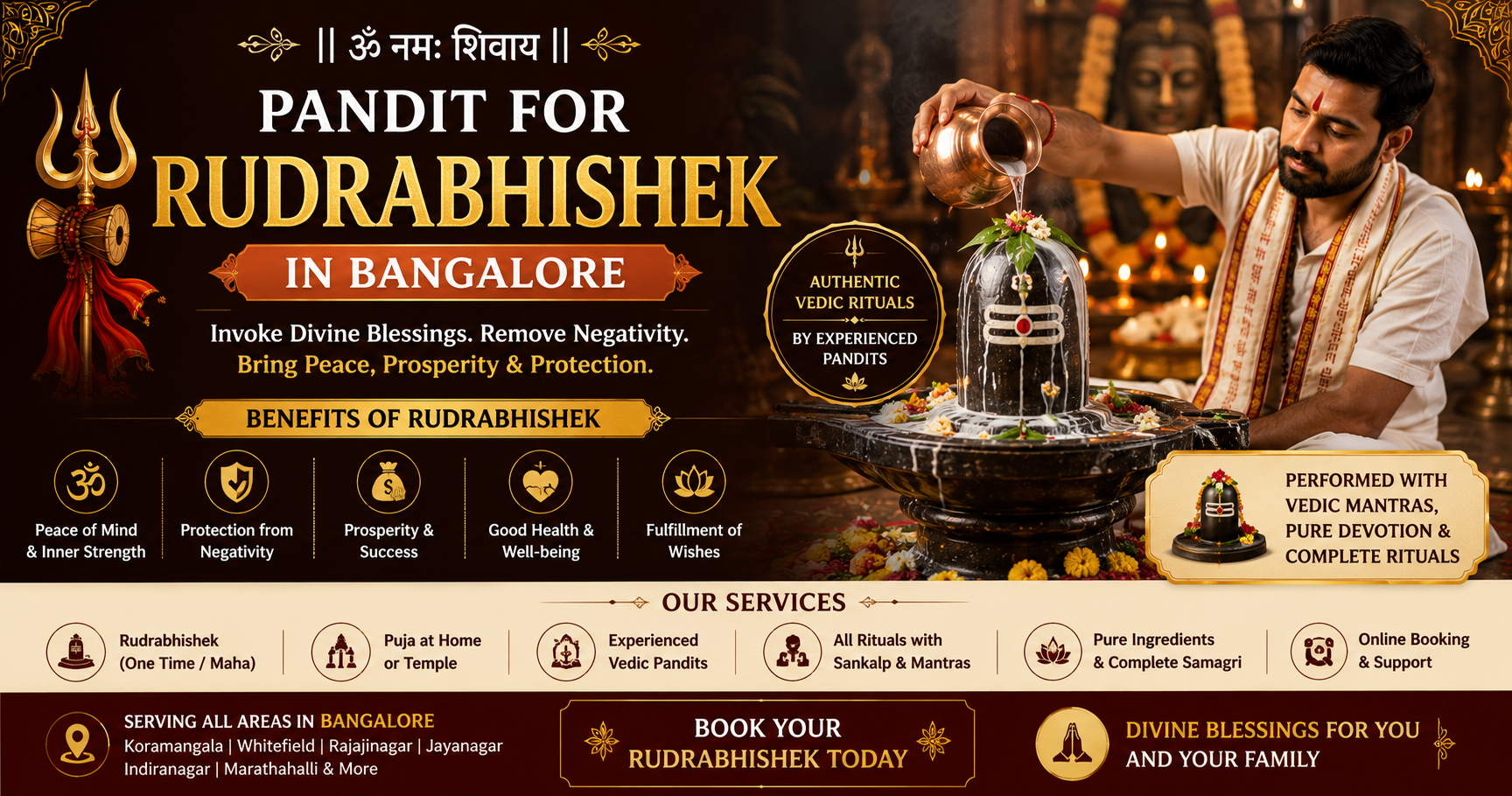 Pandit for Rudrabhishek in Bangalore
-
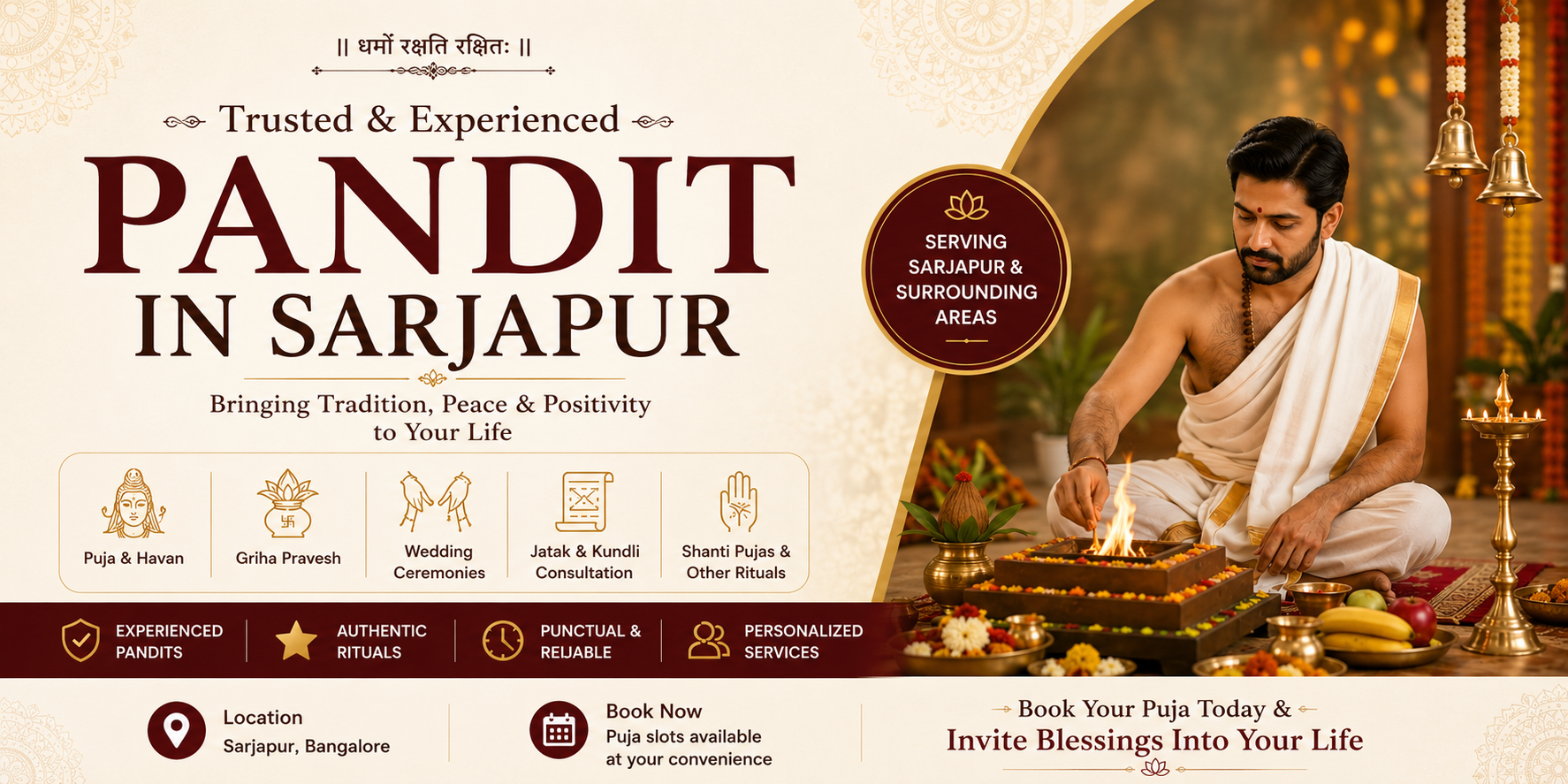 Hindi Pandit in Sarjapur
-
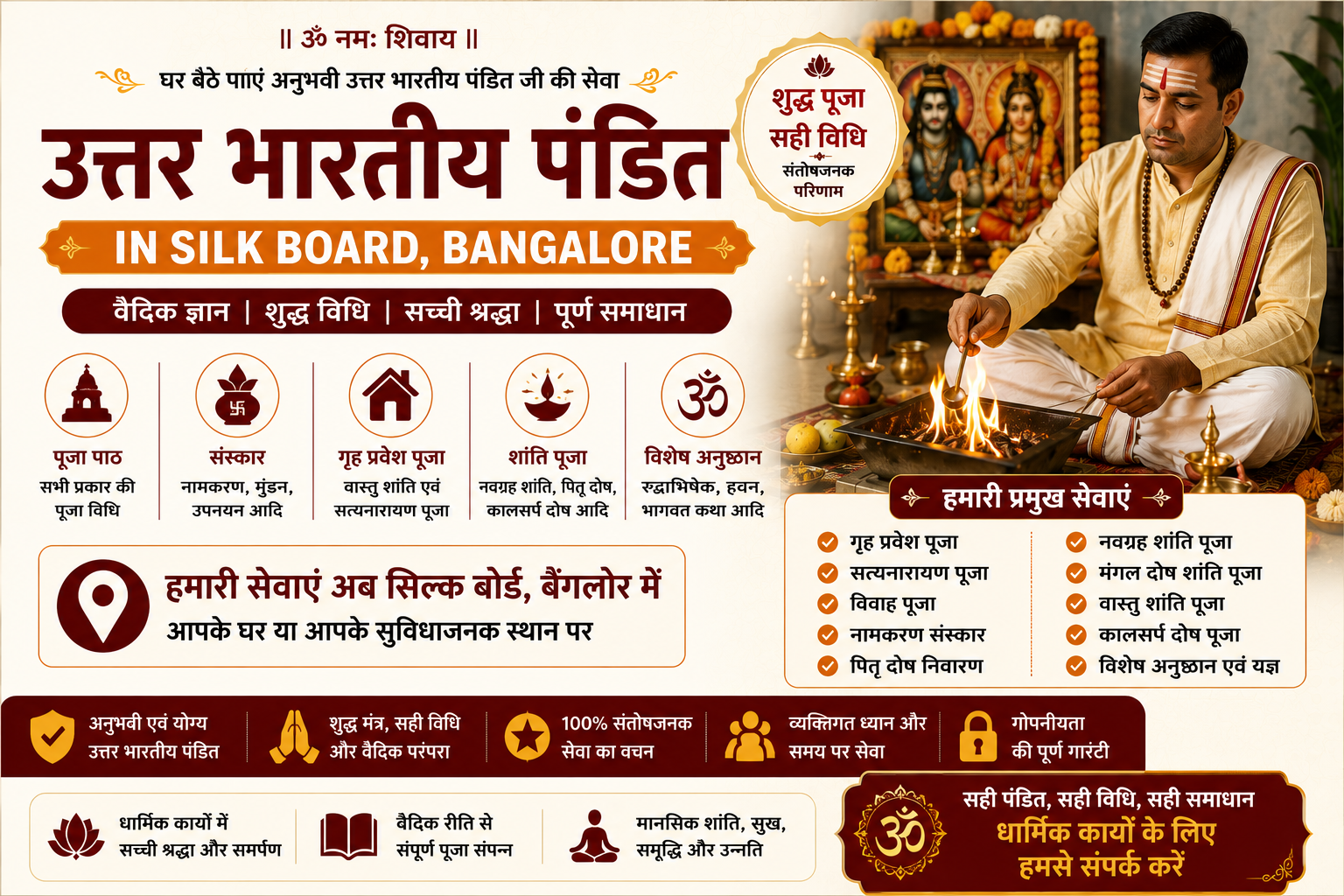 North India Pandit in Silk Board Bangalore
-
Hindi Pandit in Ranchi
-
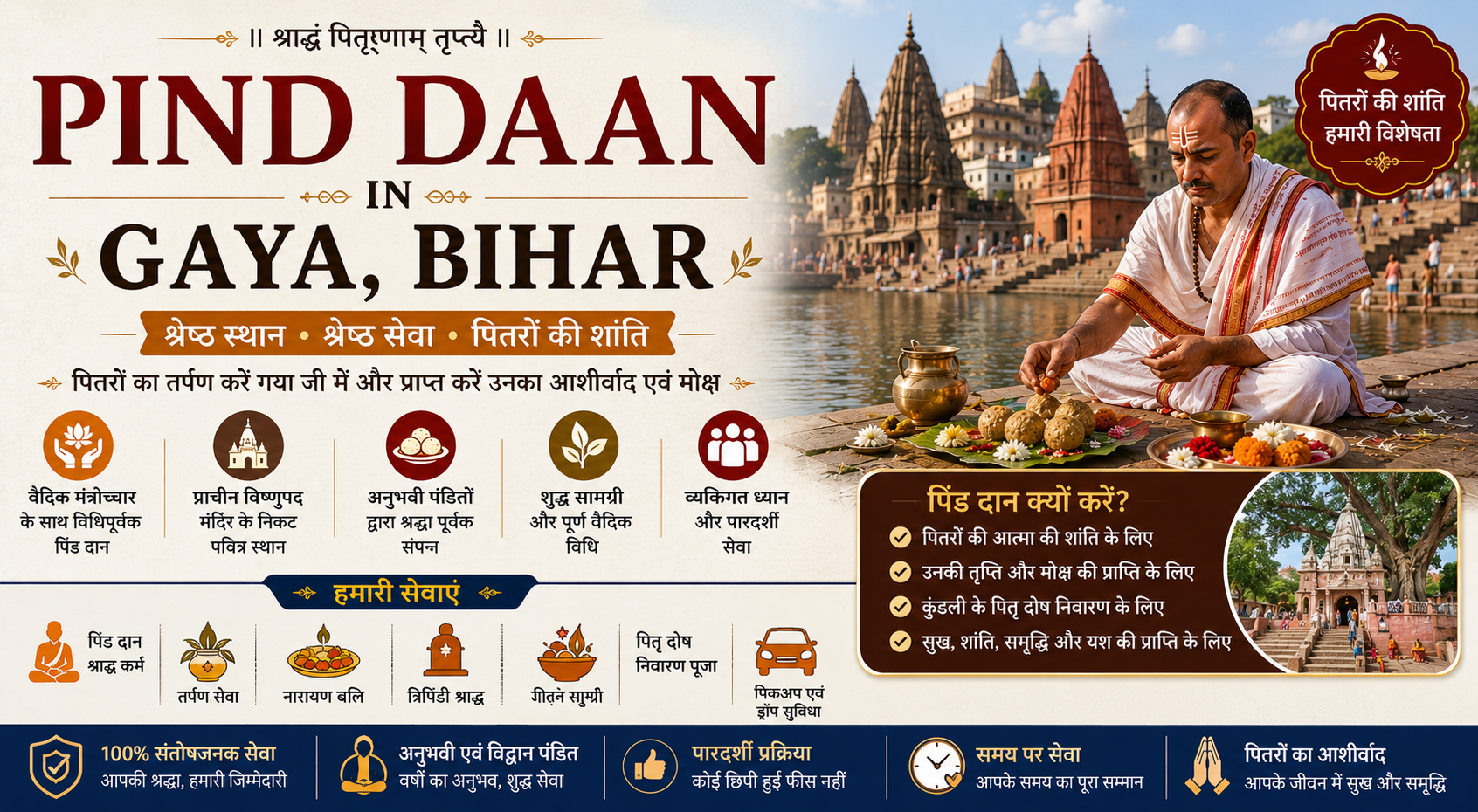 Pind Daan in Gaya Bihar
-
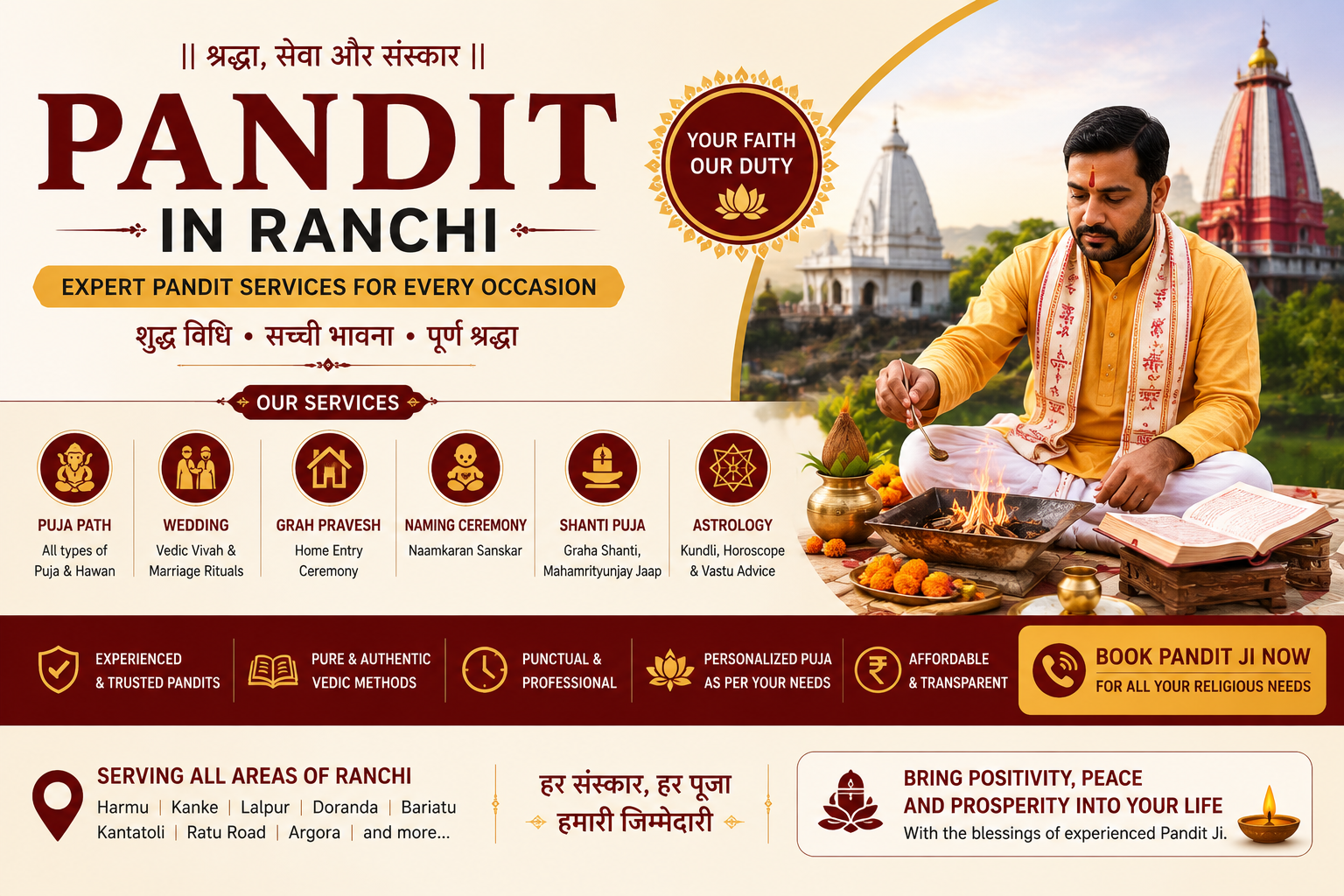 Pandit in Ranchi
-
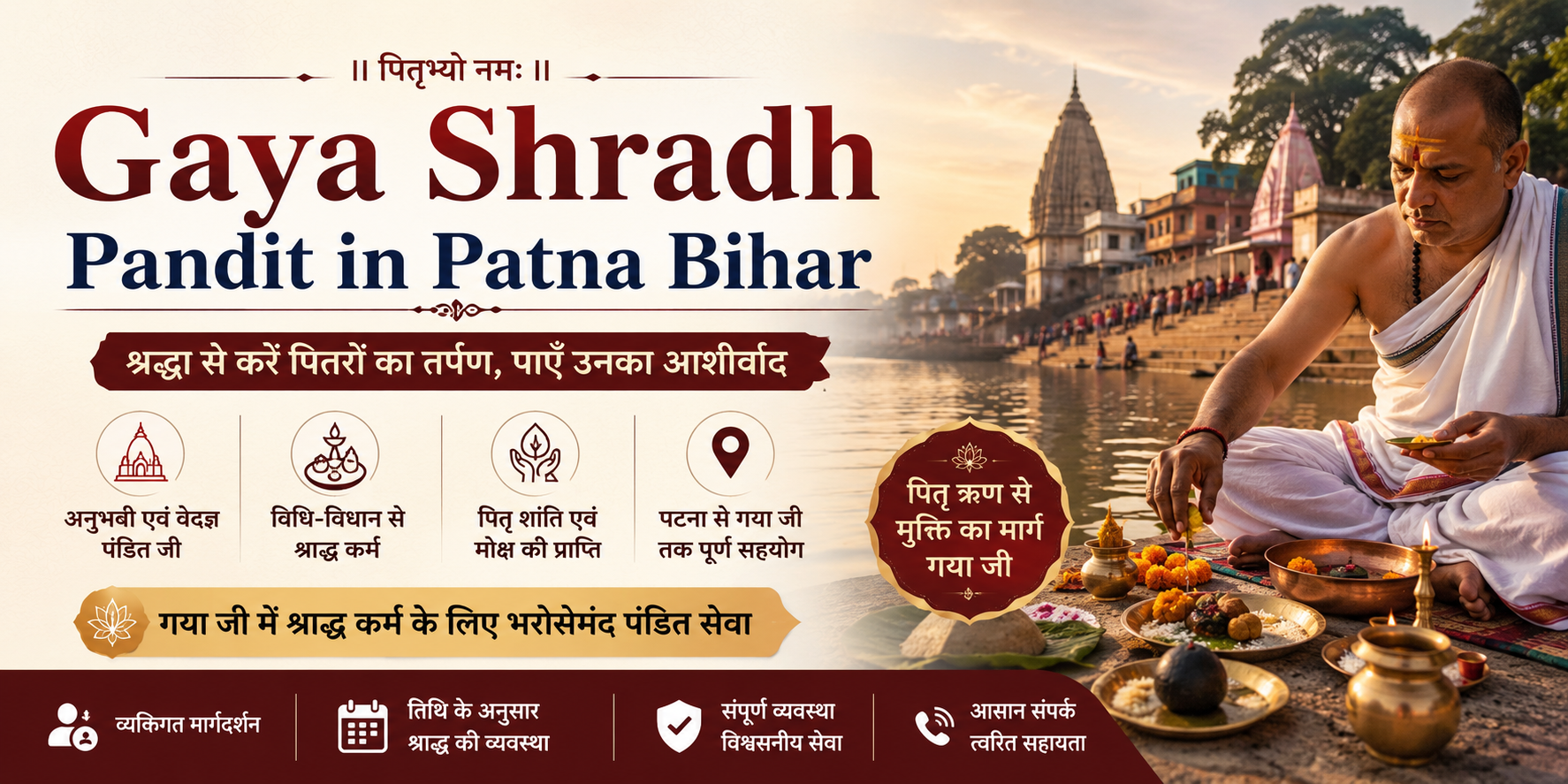 Gaya Shradh Pandit in Patna Bihar
-
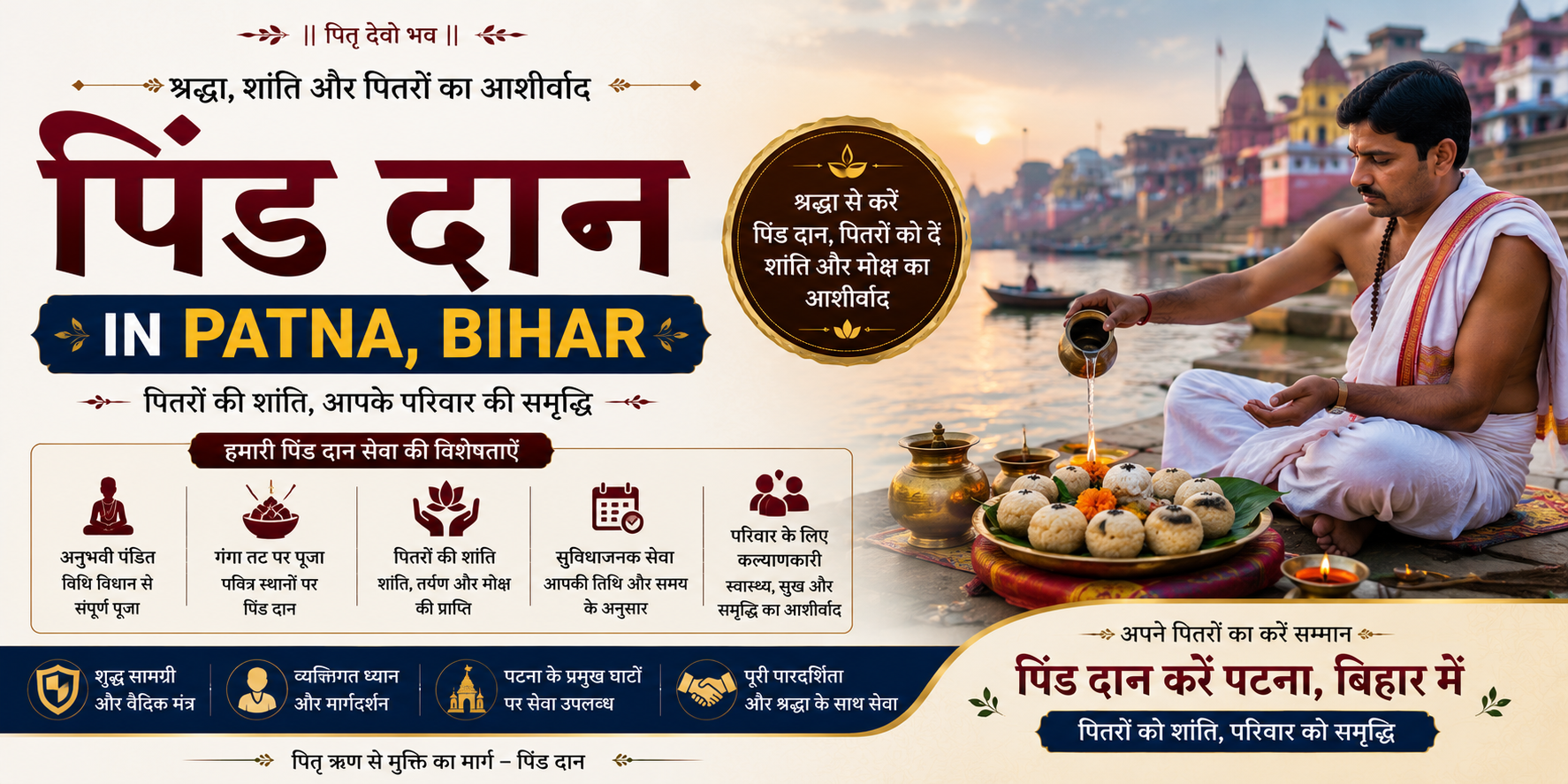 Pind Daan in Bihar India
-
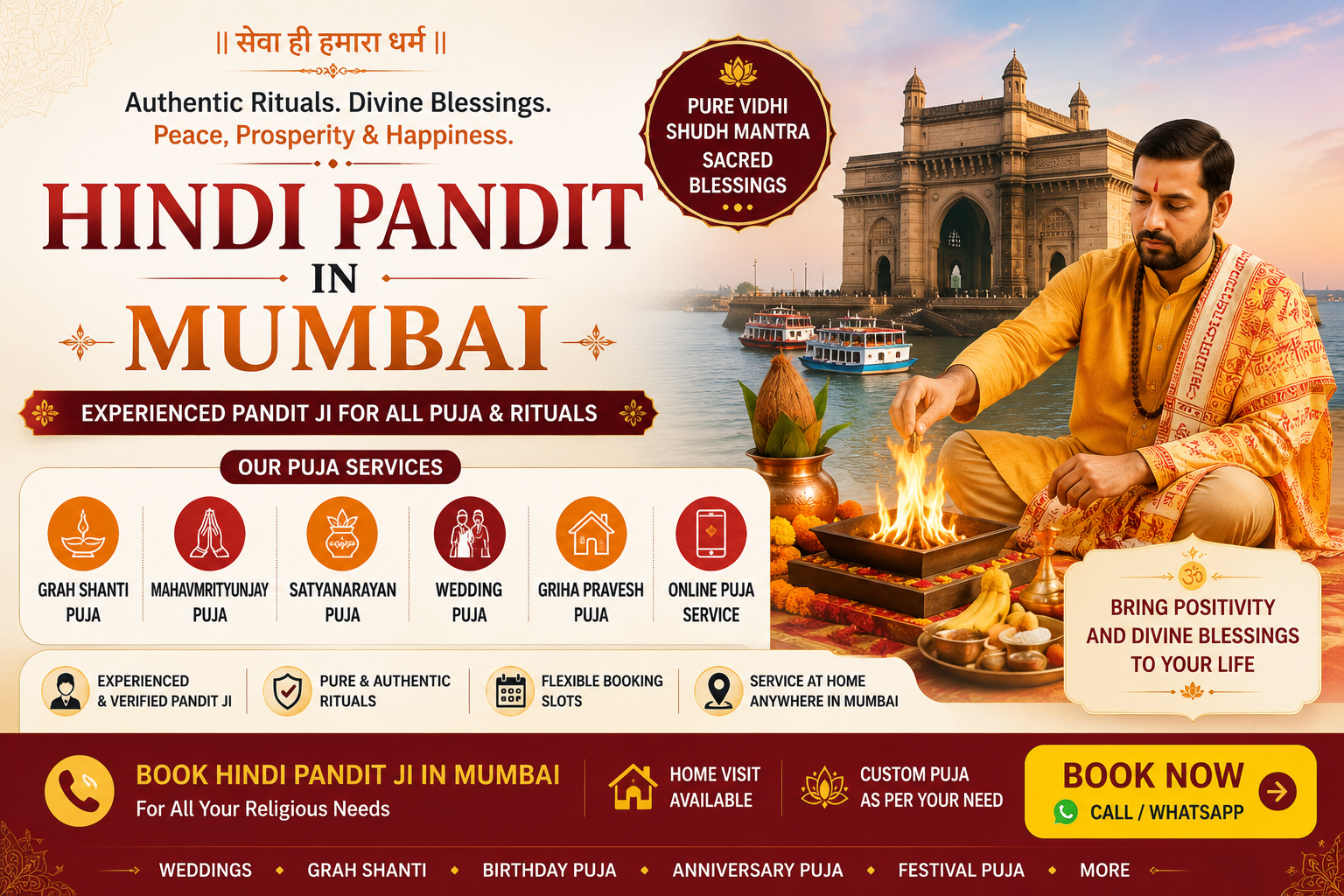 Hindi Pandit in Mumbai
-
 Pitru Paksha Pind Daan Gaya
-
 Gaya Shradh Booking Online
-
 Online Booking for Pind Daan in Gaya – Authentic Shraddha Puja Arrangements
-
 Gaya Shradh Booking Online in India
-
 Pind Gaya Shradh Booking Online in India
-
 Book Pandit For Satyanarayan Puja In Bangalore
-
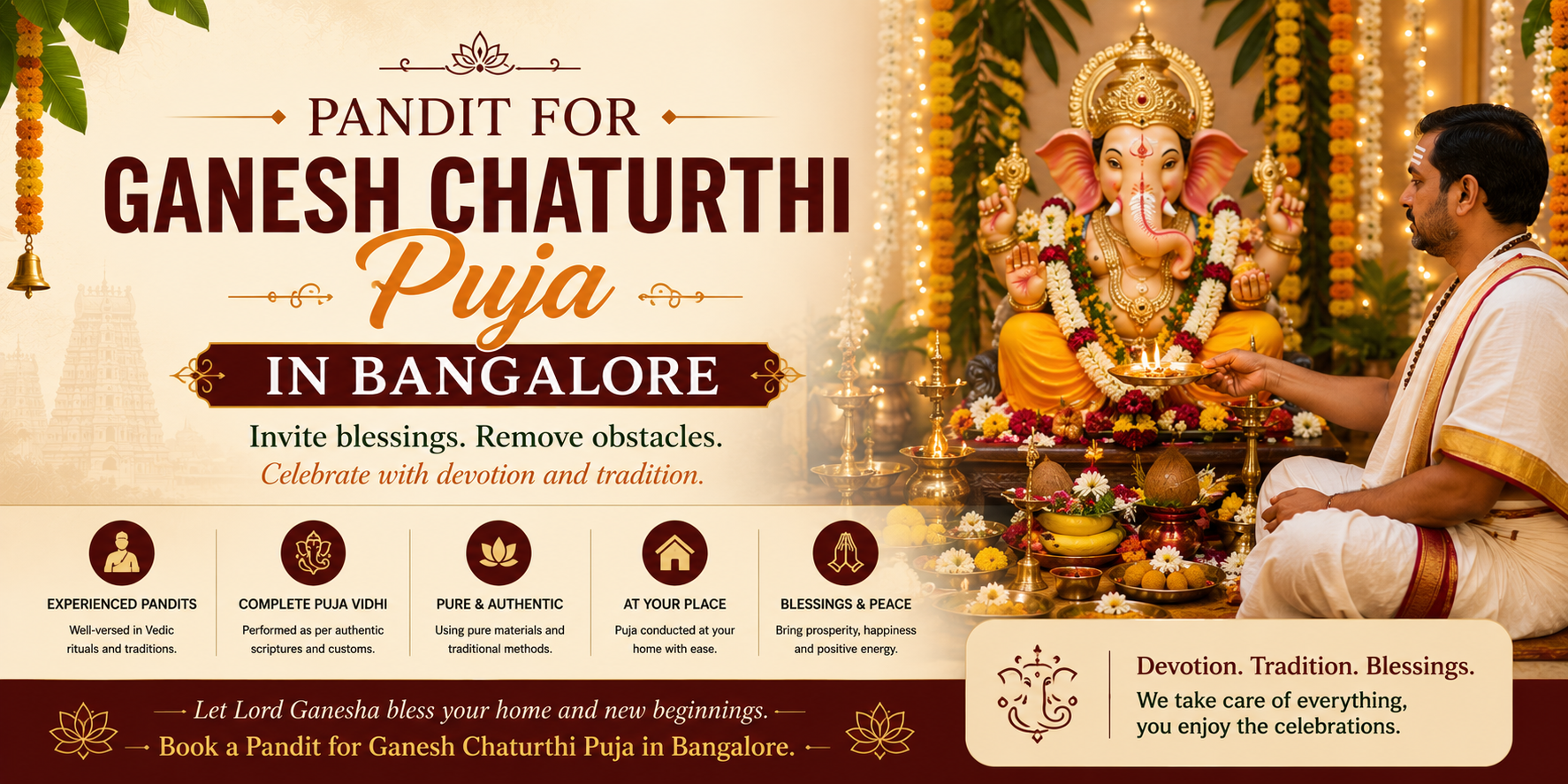 Pandit For Ganesh Chaturthi Puja In Bangalore
-
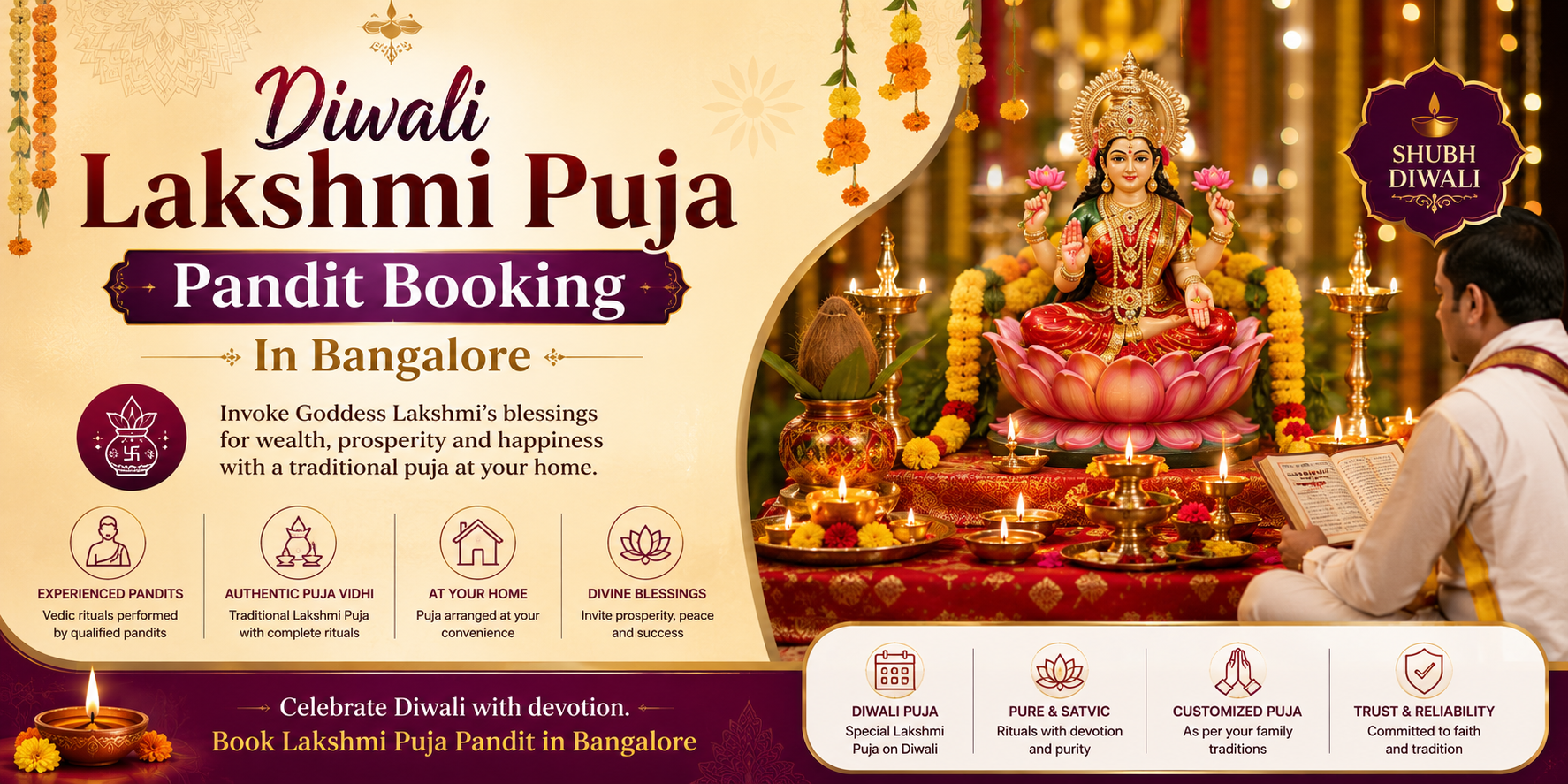 Diwali Lakshmi Puja Pandit Booking In Bangalore
-
 Pandit In Whitefield.png) Namkaran (Baby Naming Ceremony) Pandit In Whitefield
Namkaran (Baby Naming Ceremony) Pandit In Whitefield
-
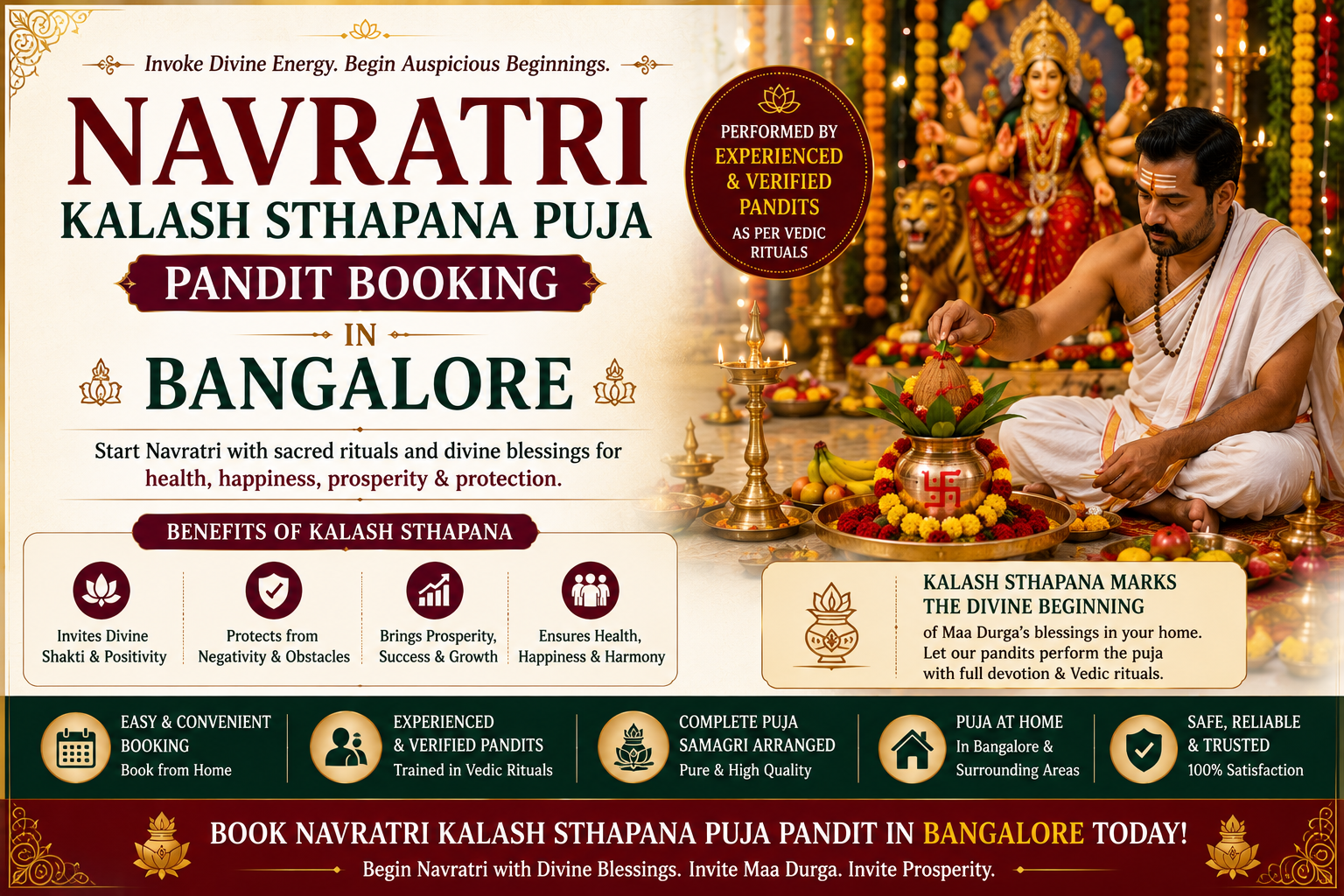 Navratri Kalash Sthapana Puja Pandit Booking Bangalore
-
 Pandit for Griha Pravesh Puja in Sarjapur Bangalore
-
 Pind Daan in Gaya: Complete Guide to This Sacred Hindu Ritual
-
 Pind Daan in Gaya Price: Complete Cost Guide for 2025-2026
-
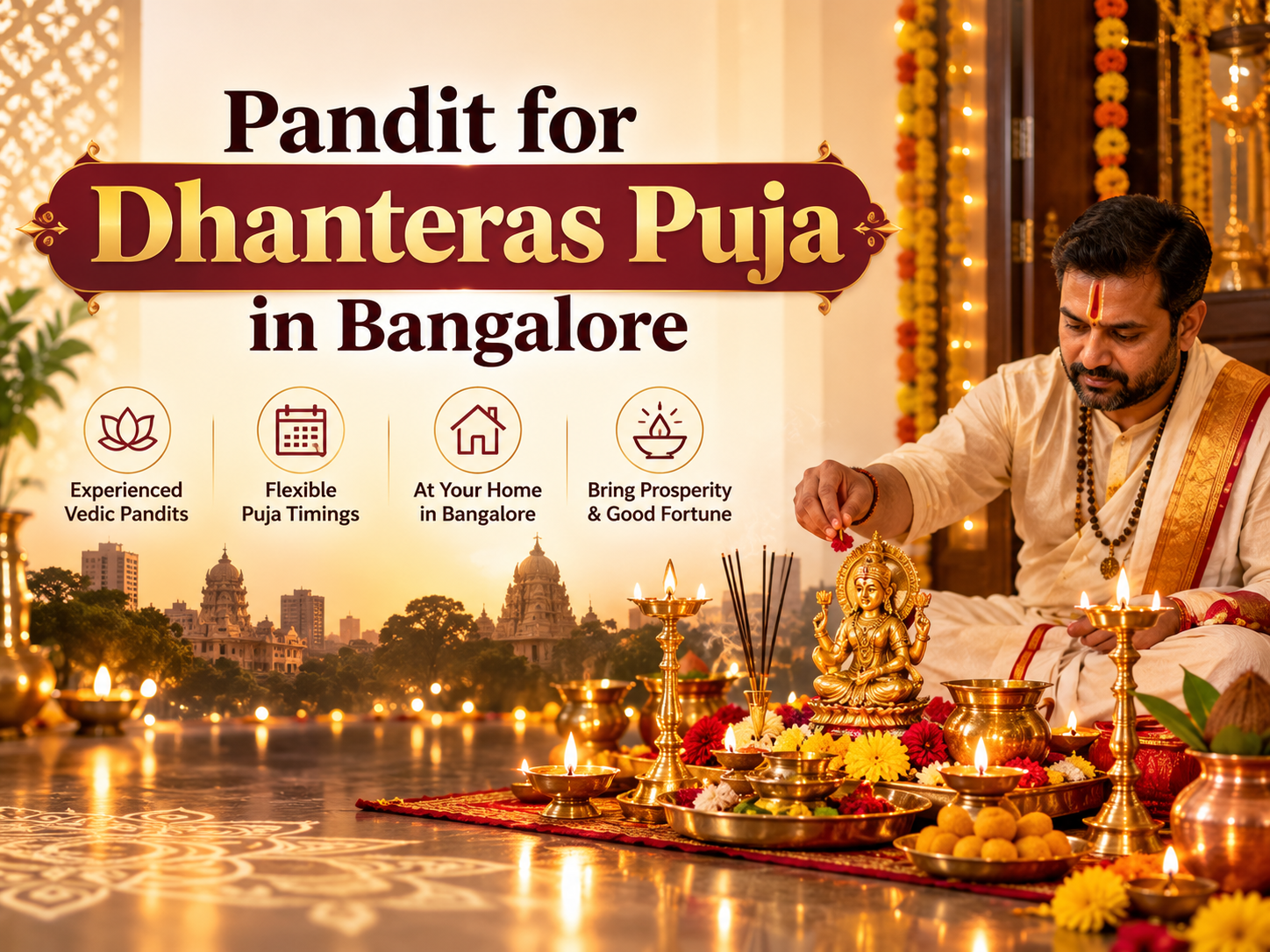 Pandit for Dhanteras Puja in Bangalore
-
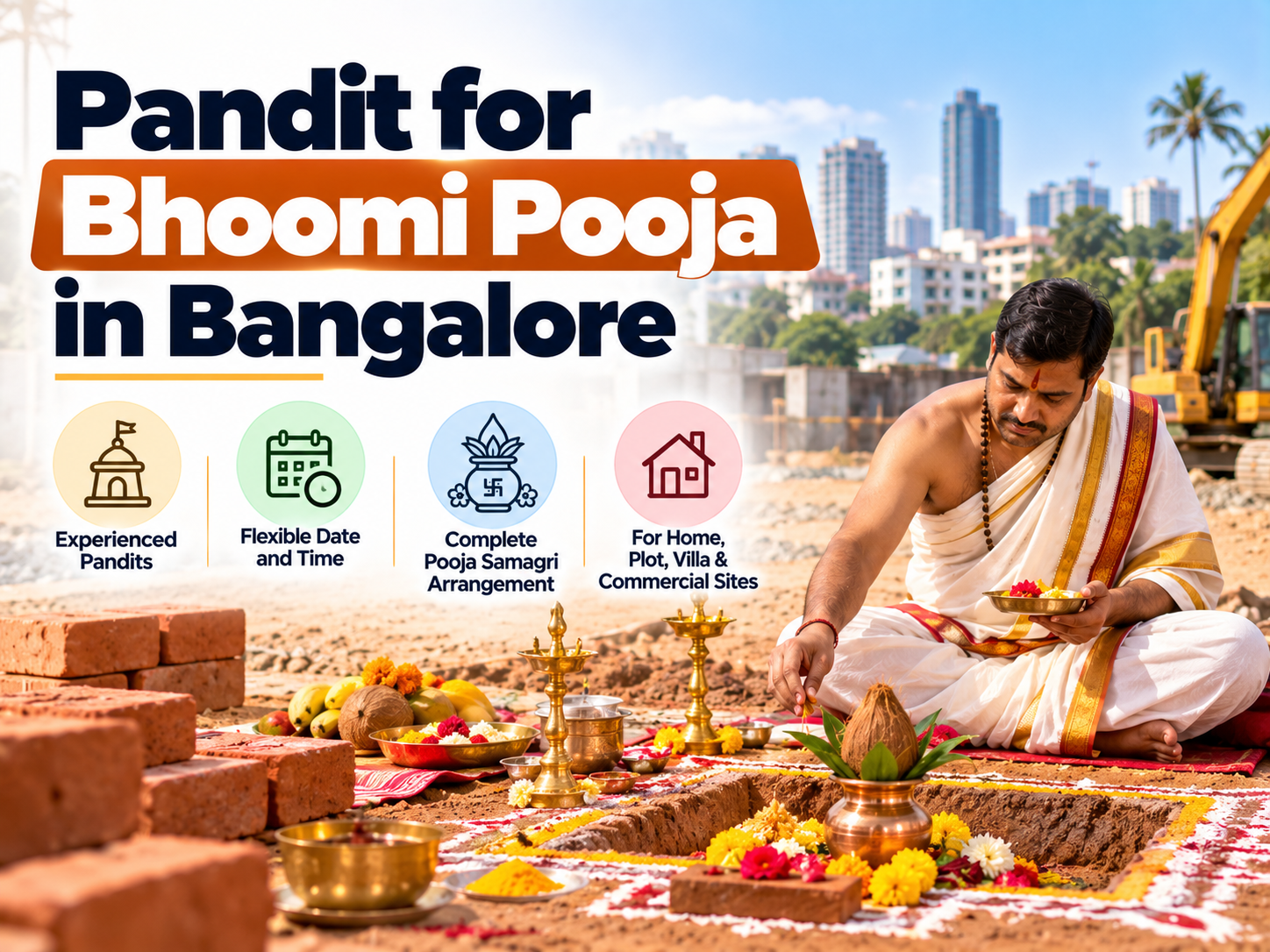 Pandit for Bhoomi Pooja in Bangalore
-
 North Indian Pandit in Bangalore: Book Experienced Vedic Pandits Online
-
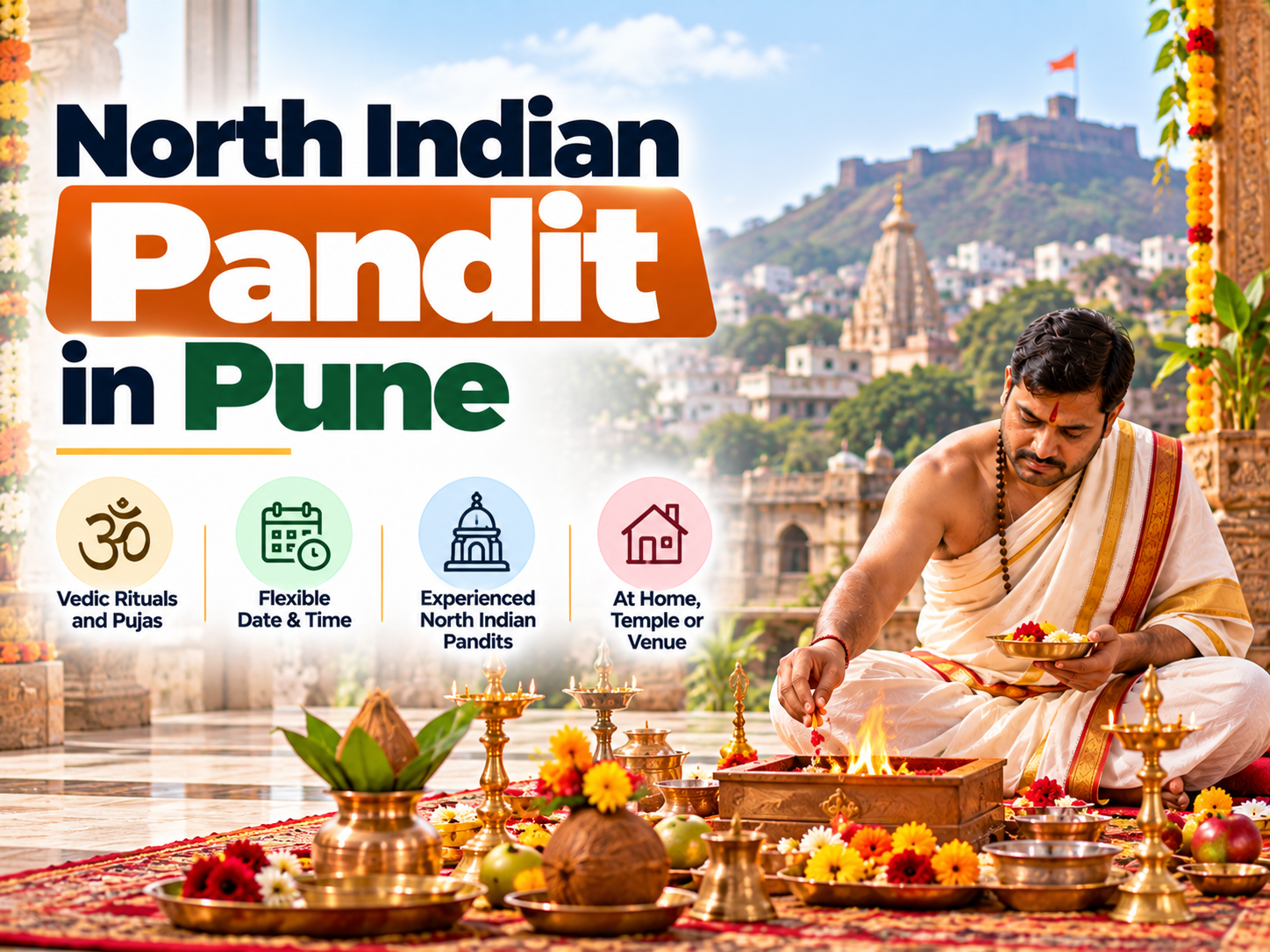 North Indian Pandit in Pune for Authentic Vedic Pujas and Hawans
-
 Experienced Hindi Pandit in Pune: Complete Puja Vidhi, Muhurat & Online Booking
-
 Best Hindi Pandit in Pune for Marriage

Om Pooja Path can cater to all your pooja requirements. We aim to offer you the best pandit services in Bangalore. Contact us to hire a pandit today!
Contact Info
-

Sai samarpan layout house no 33 Kodigehalli Whitefield ,Near Sri Ram green field apt, Bangalore 560049
-

-

Bangalore
Hyderabad
Copyright ©2026 Om Pooja Path. All Rights Reserved.
Leave a Comment